




2026/09/21 Back
In the golden September and silver October, Hangzhou is ushering in a "high-frequency moment" of international exchanges.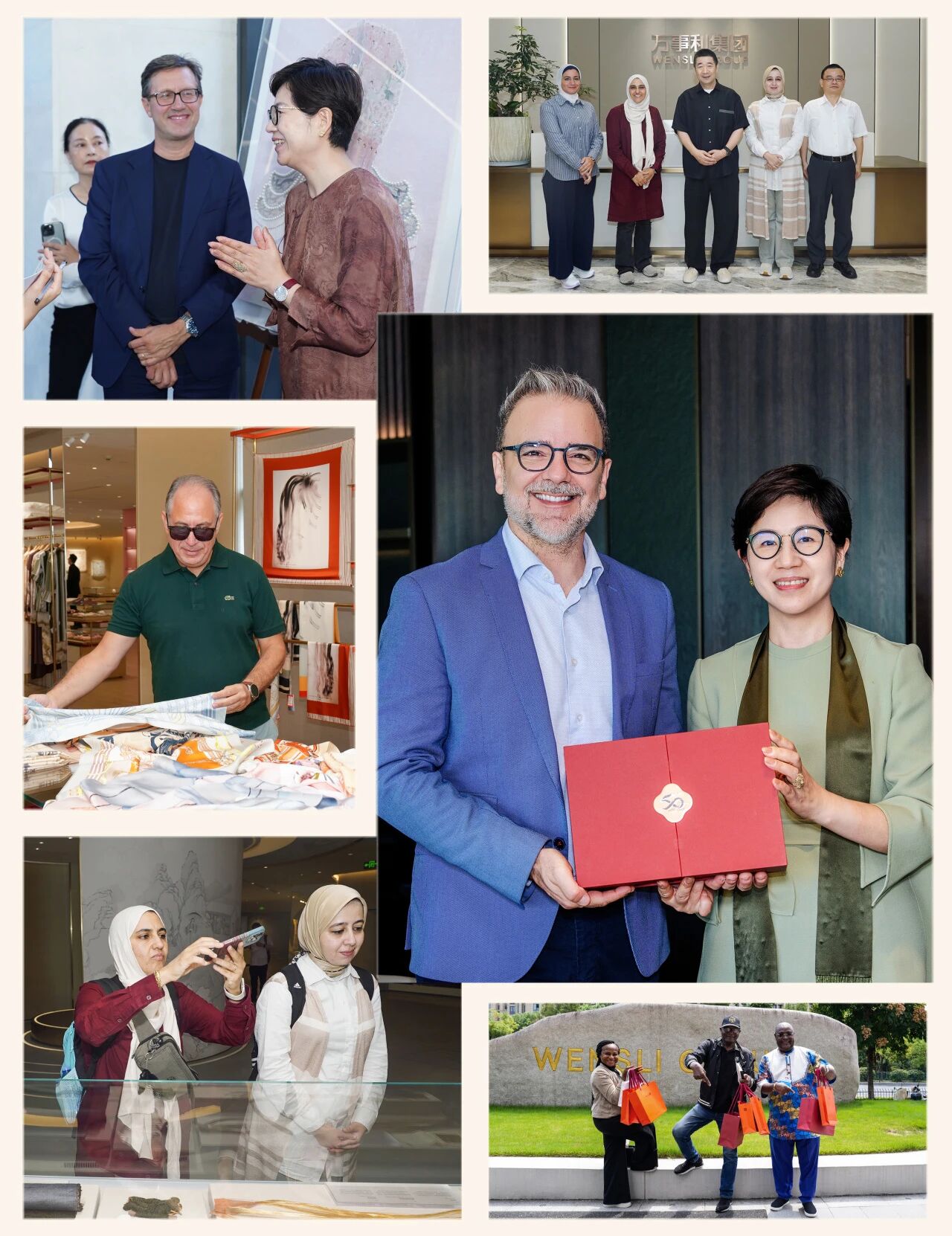
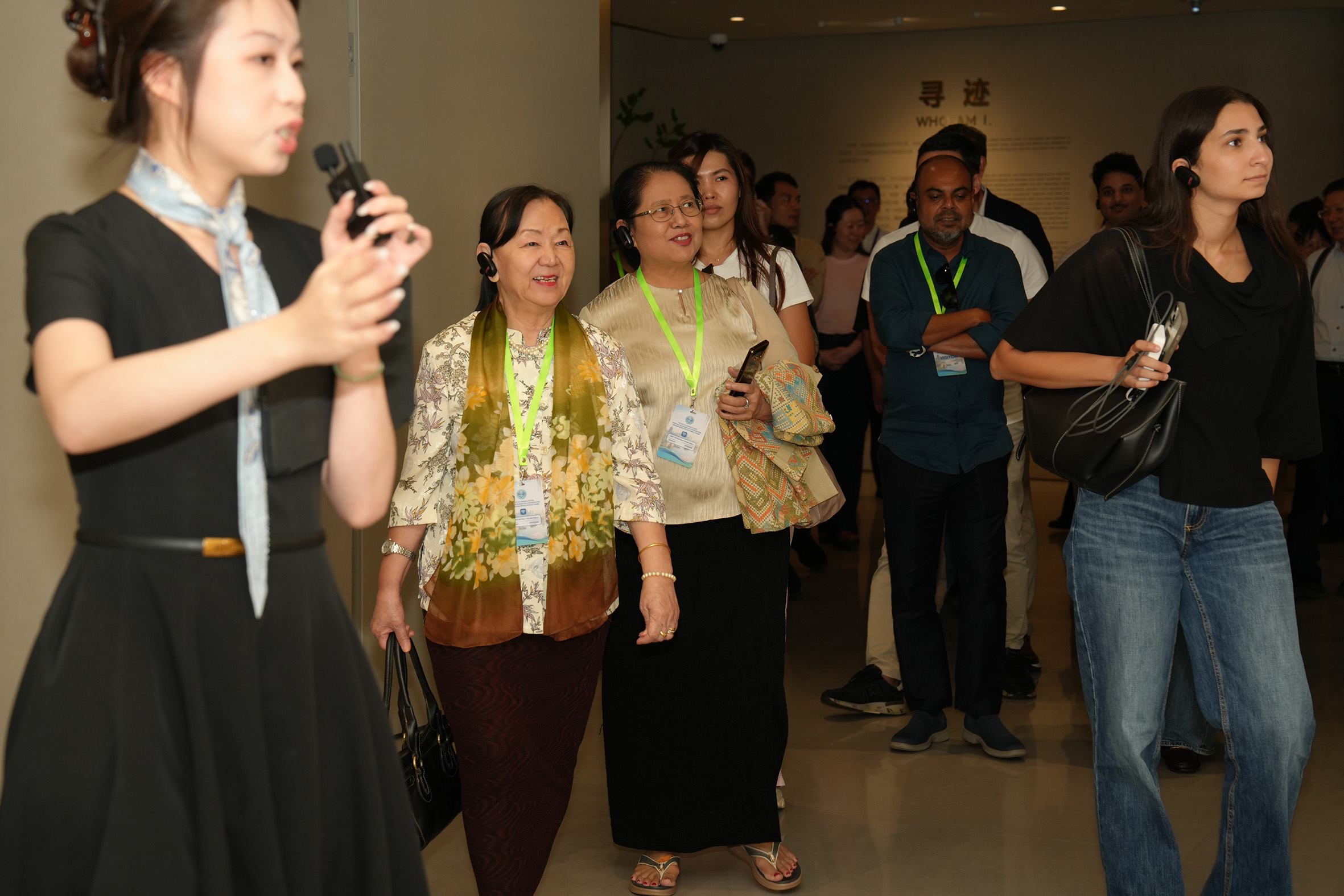
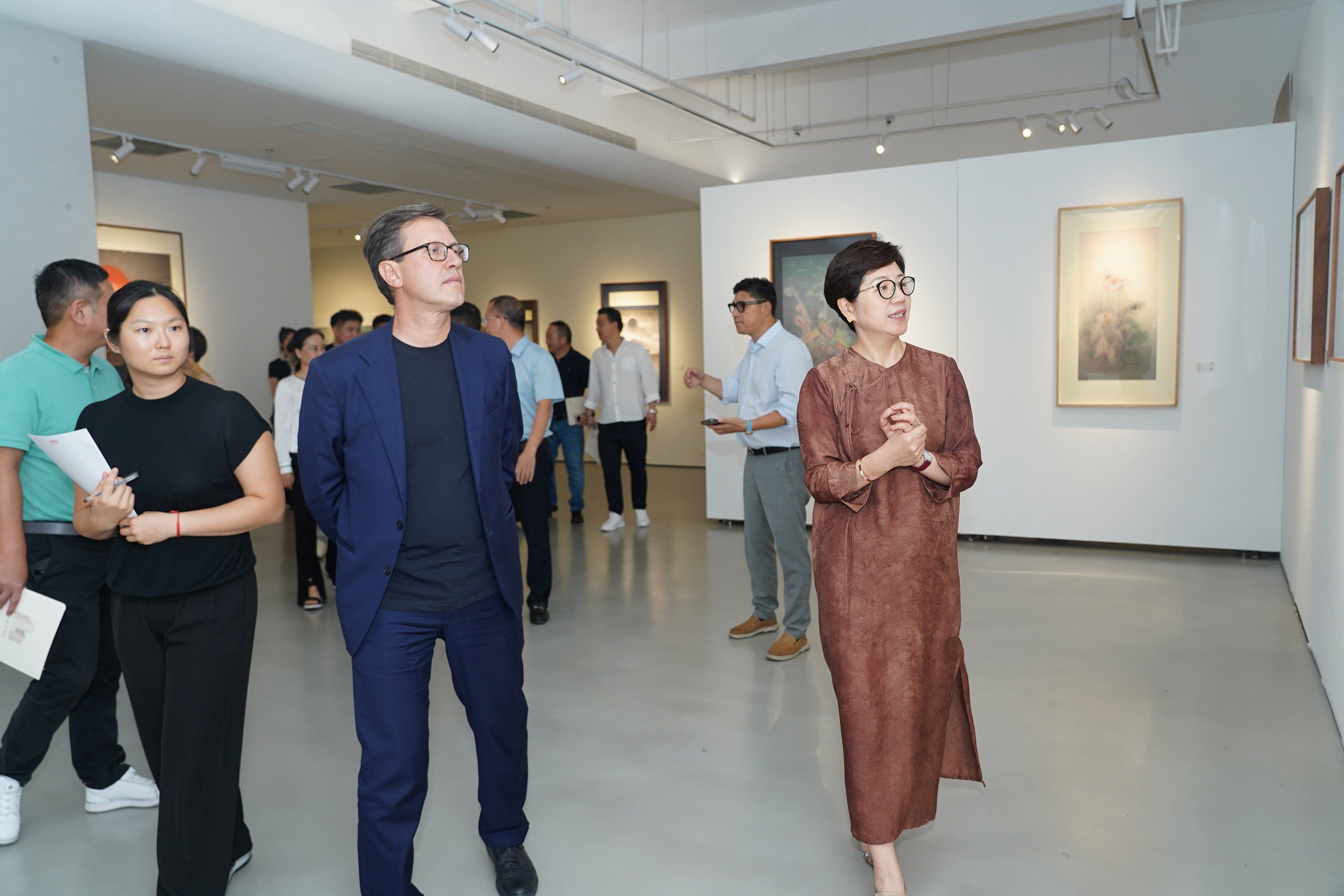
Recently, the Wensli Innovation Center, a national-level silk culture brand experience destination, has welcomed batch after batch of international visitors.
Foreign affairs representatives and international friends from countries such as Russia, Italy, Pakistan, Kuwait, Iran, Morocco, Egypt, and India visited the Wensli Innovation Center to explore in person the innovative practices of digitalization and intelligentization in the silk industry, and to experience up close how the historical classic of silk interprets contemporary beautiful life.
Why is the world paying more and more attention to Hangzhou?
Today's Hangzhou is becoming an important window for China's exchanges with the world.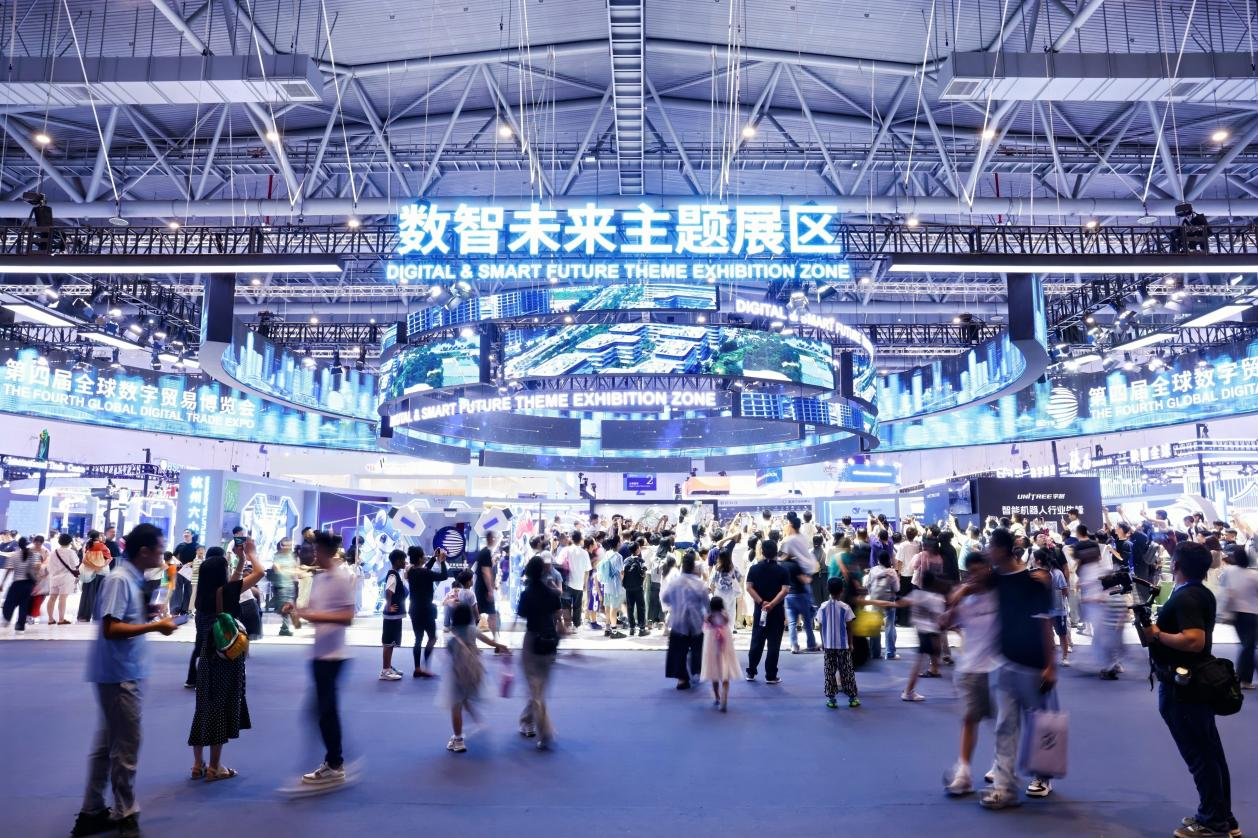
From the 2026 China Economic and Social Forum and the Fifth Multilateral Consultation Meeting of the Shanghai Cooperation Organization Development Bank, to the Global Digital Trade Expo, more and more international conferences, international organizations, and global businesspeople are gathering in Hangzhou. More and more of the world's attention is turning to Hangzhou, and more and more Chinese brands are gaining the opportunity to communicate face-to-face with global consumers.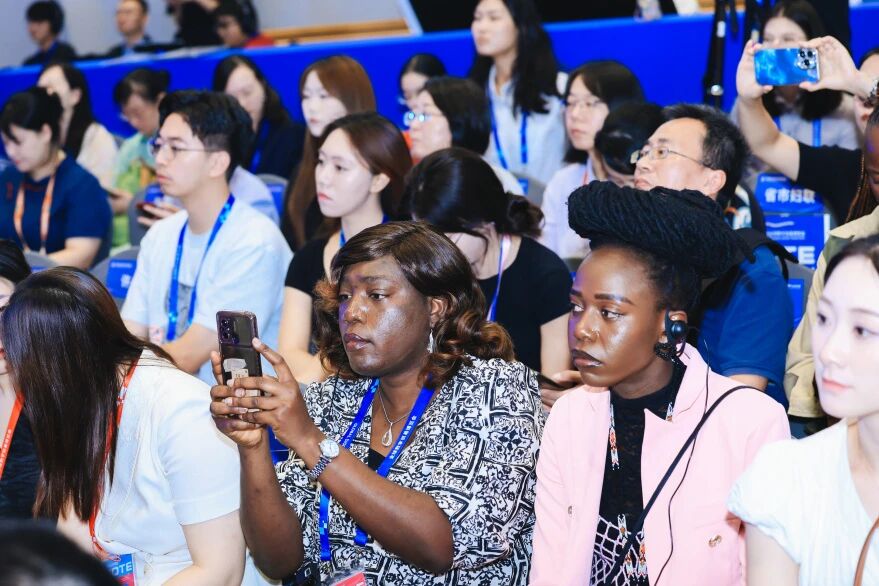
When international visitors come to Hangzhou, what do they look at?
The answer might be summed up in two words:
AI + Silk.
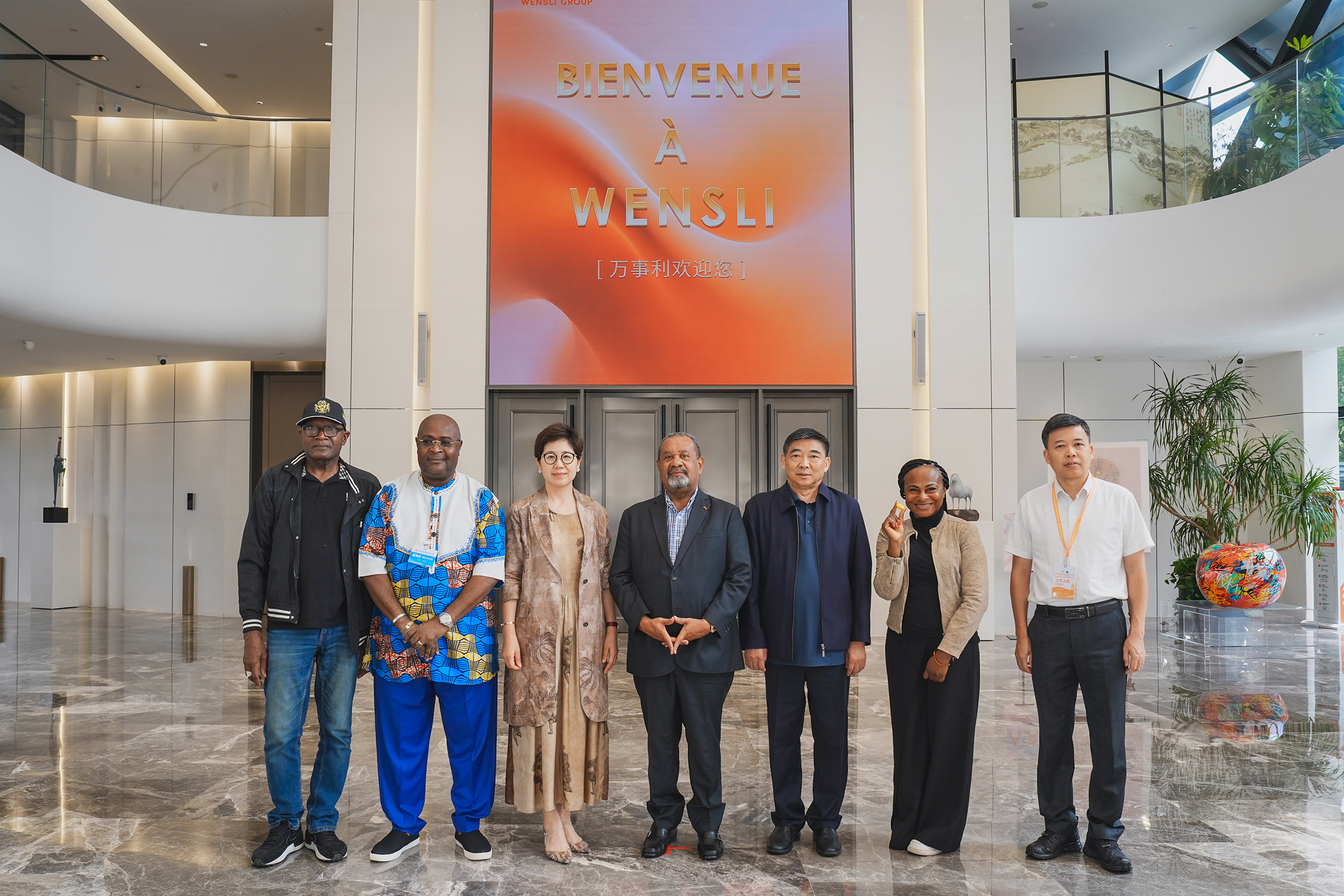
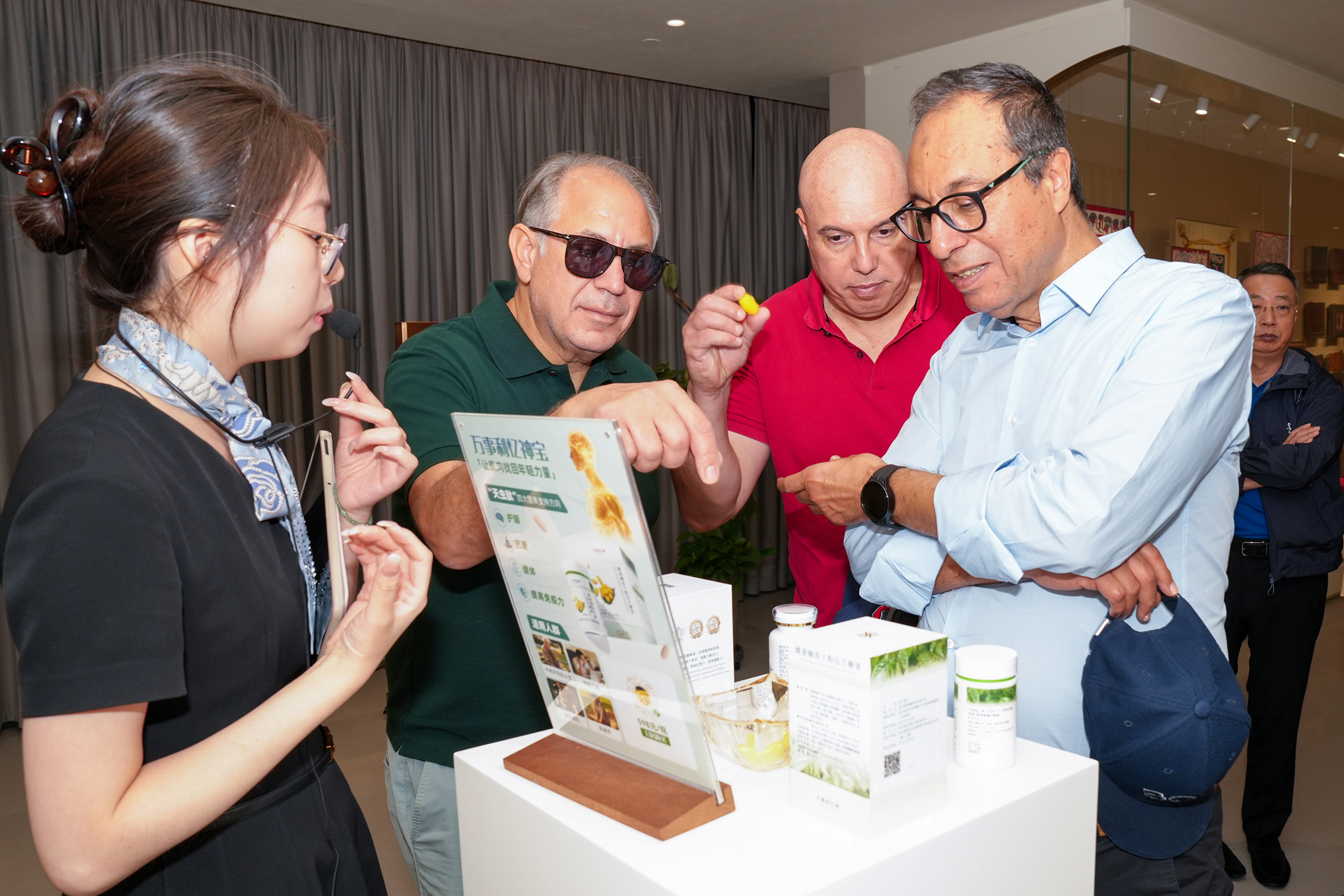
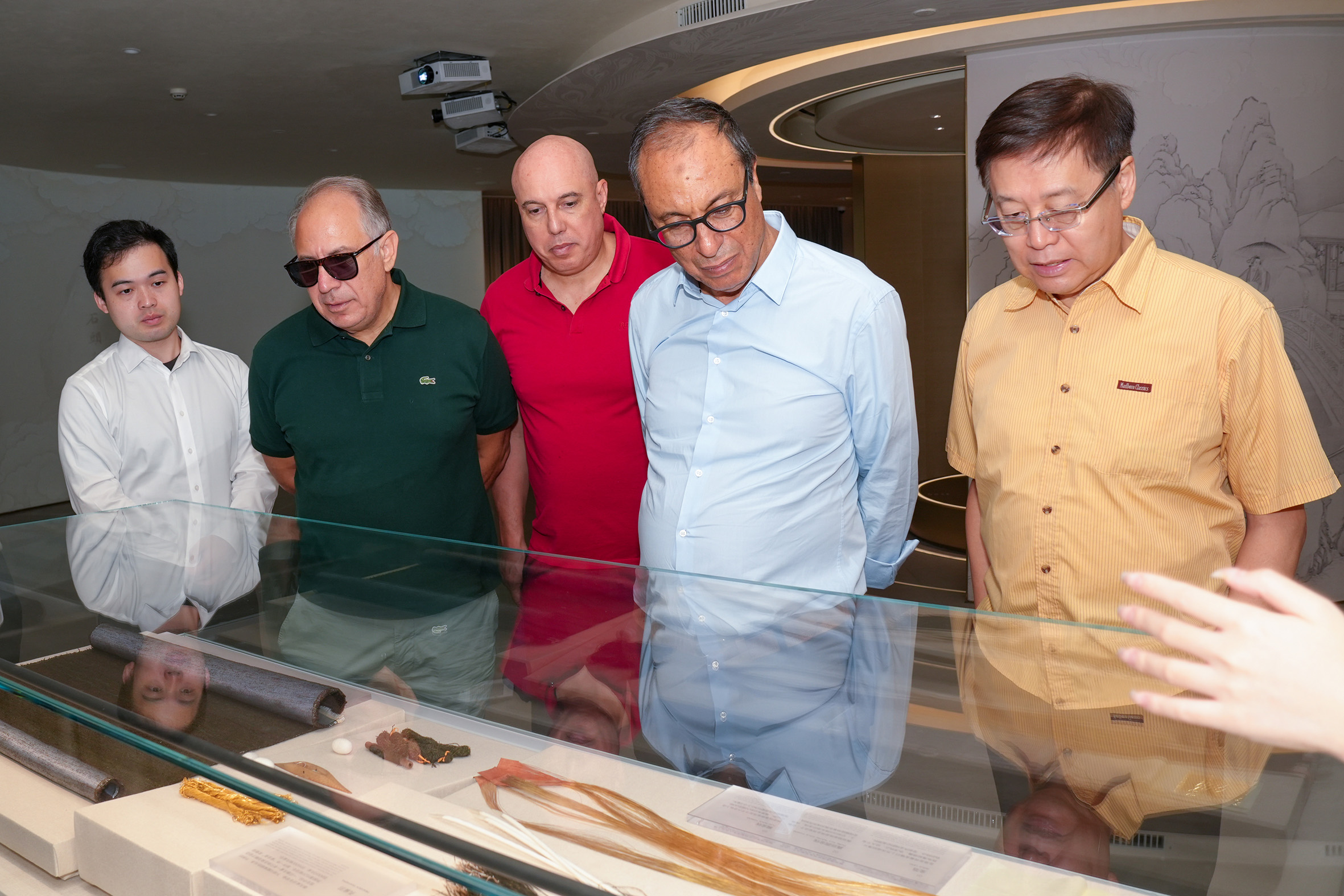
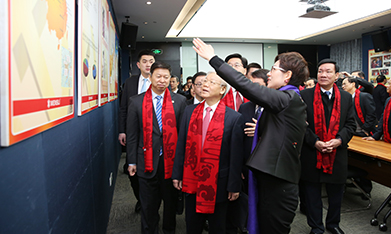
A delegation of foreign guests attending the 2026 China Economic and Social Forum visited WENSLI.
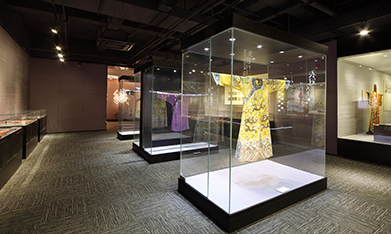
Today's Chinese silk is no longer merely an "Oriental gift" in the traditional sense. At the Wensli Innovation Center, global visitors can see the complete transformation of the traditional silk industry empowered by AI.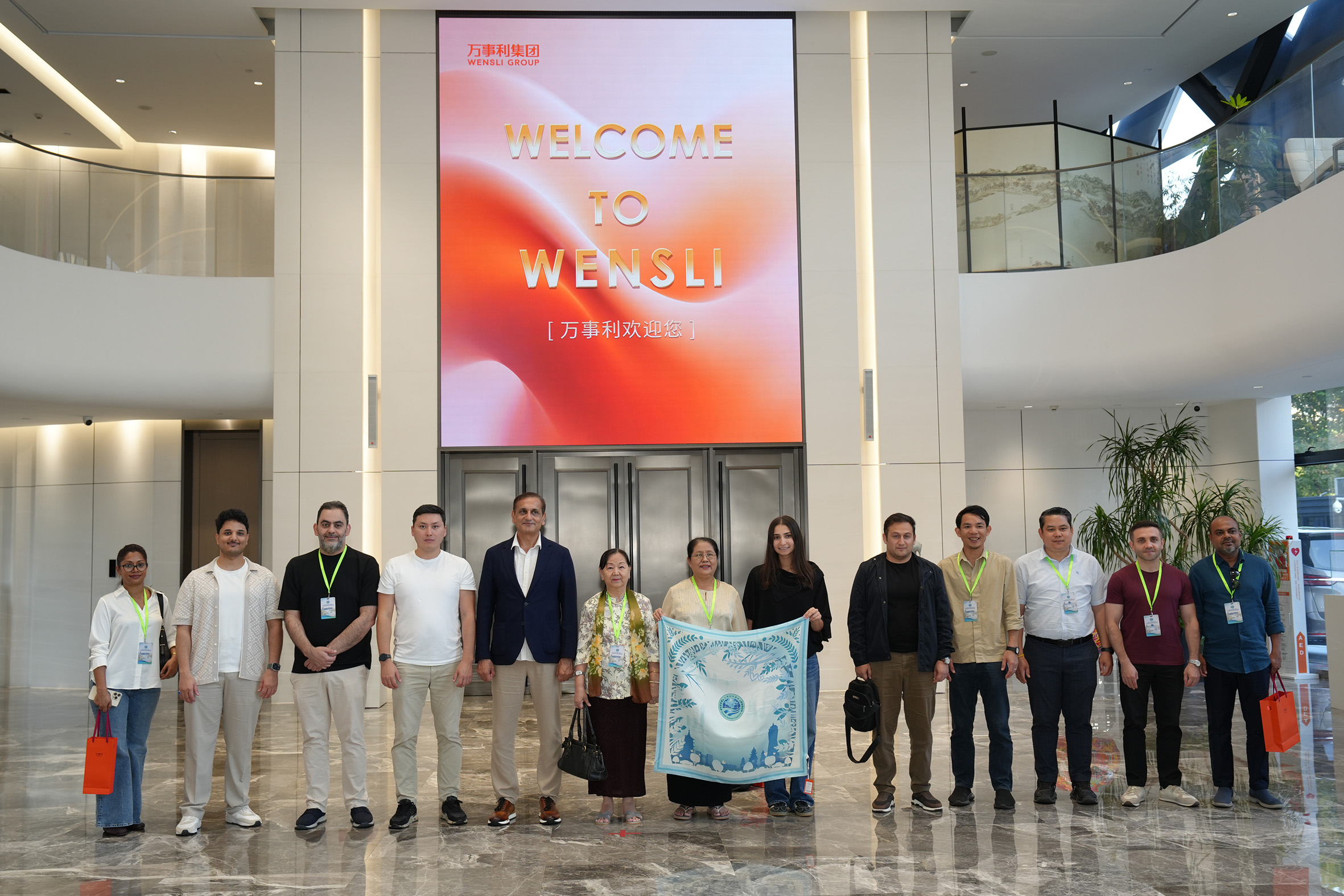
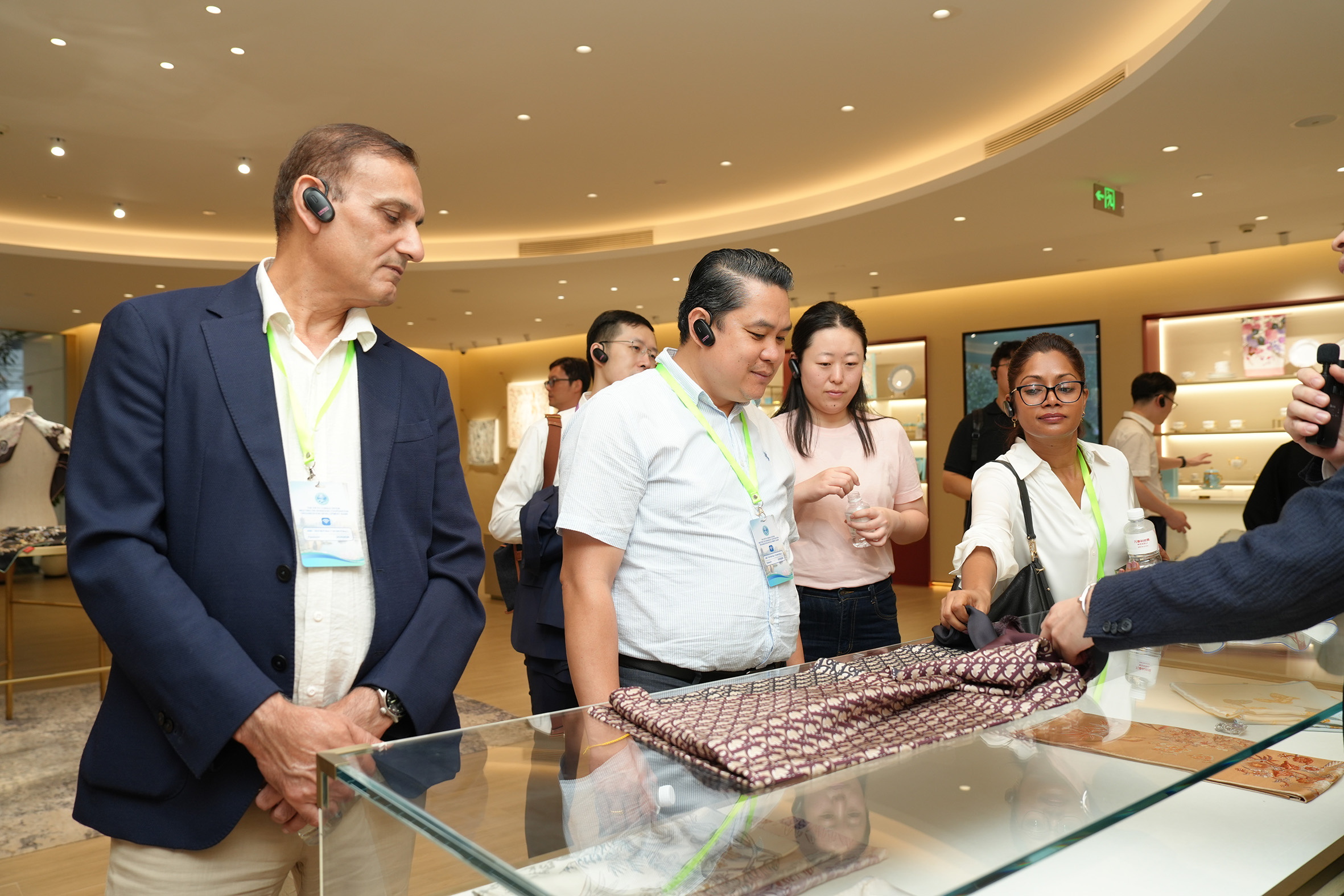
A delegation of foreign guests attending the Fifth Multilateral Consultation Meeting of the Shanghai Cooperation Organization Development Bank visited WENSLI.
A silk scarf can be designed and produced on the spot; a consumer with no design experience can also become their own "designer"; printing and dyeing production that used to require entering a large factory can now be completed with a single piece of equipment; and even one person, with the help of AI and an intelligent all-in-one machine, can open their own "small factory."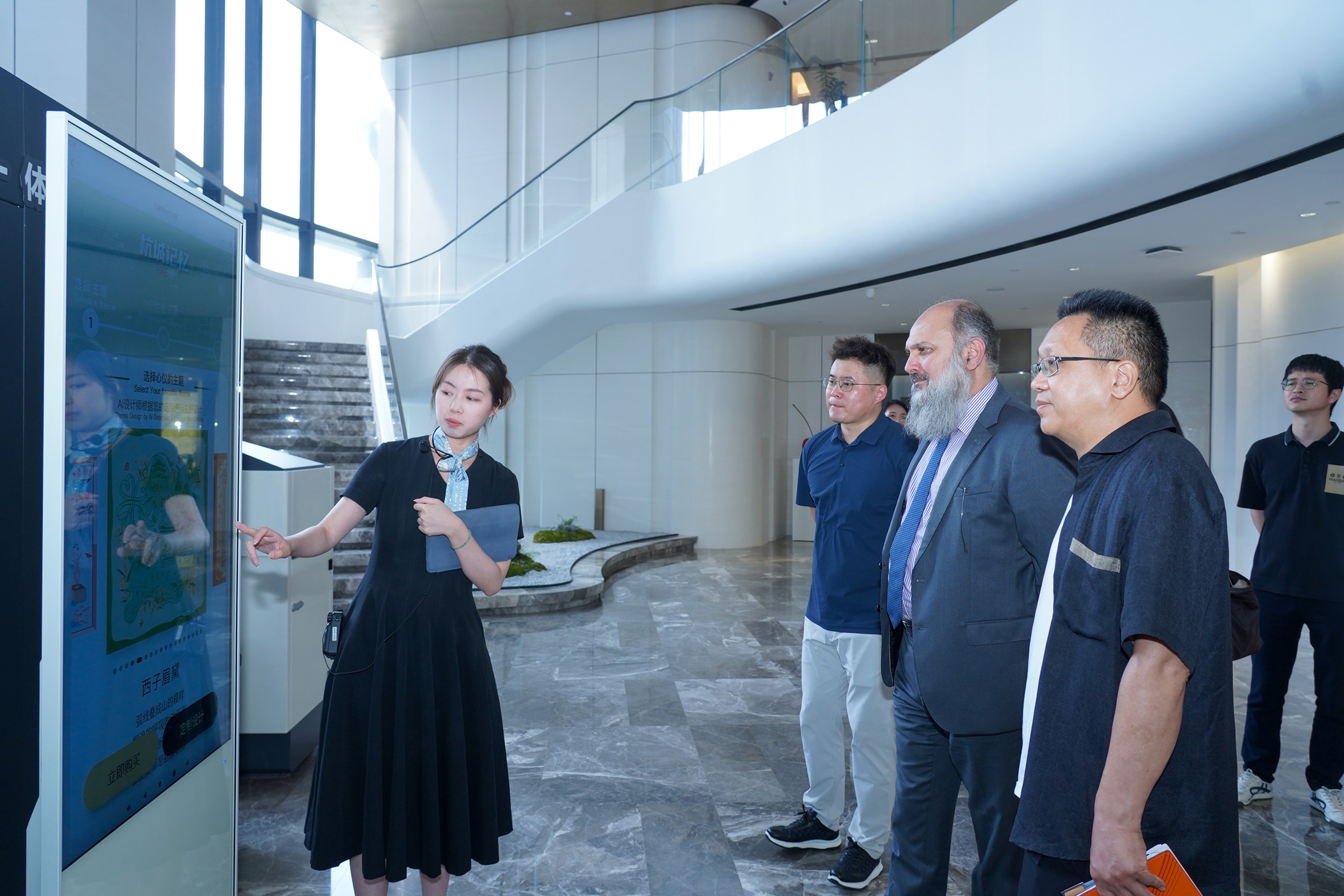
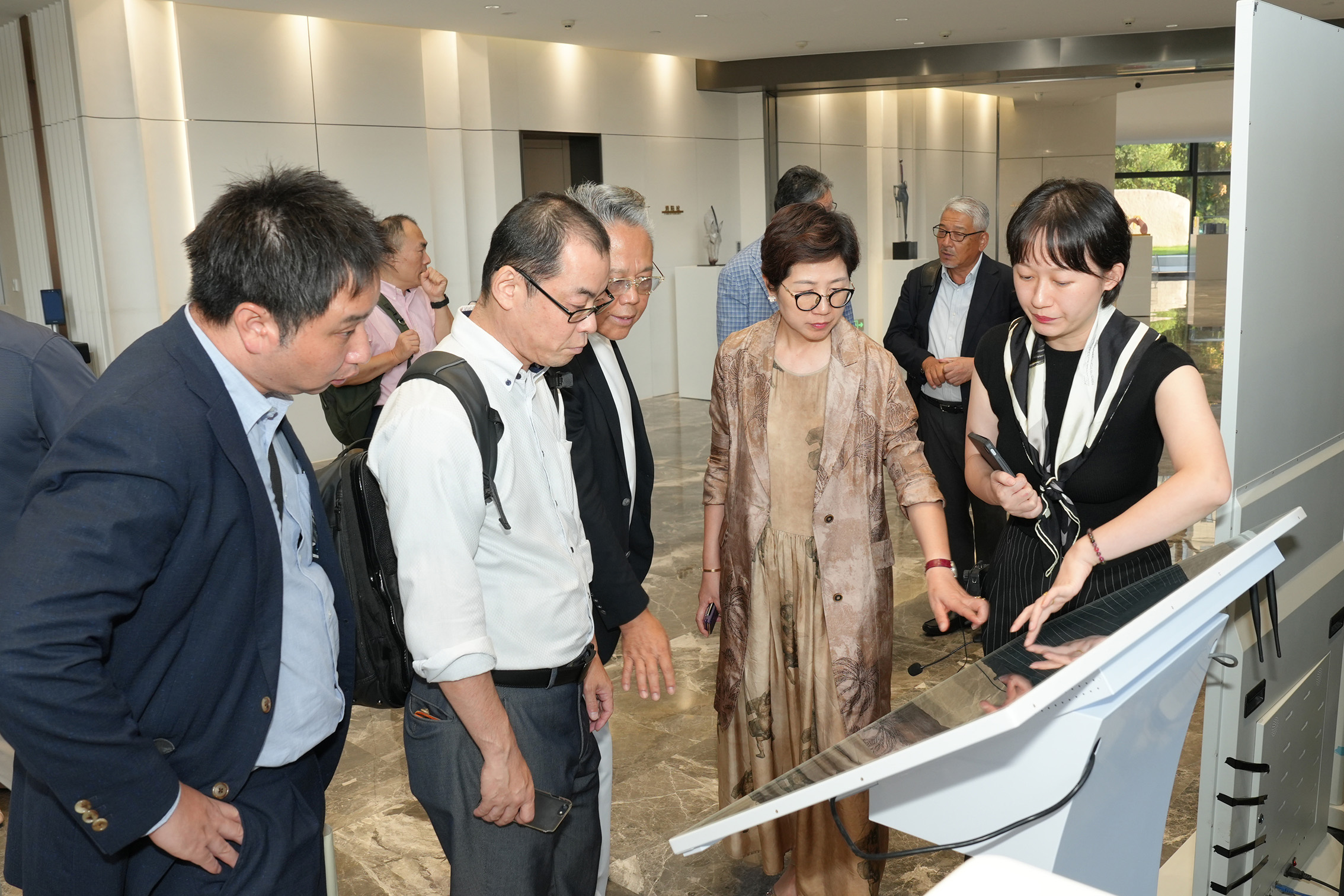
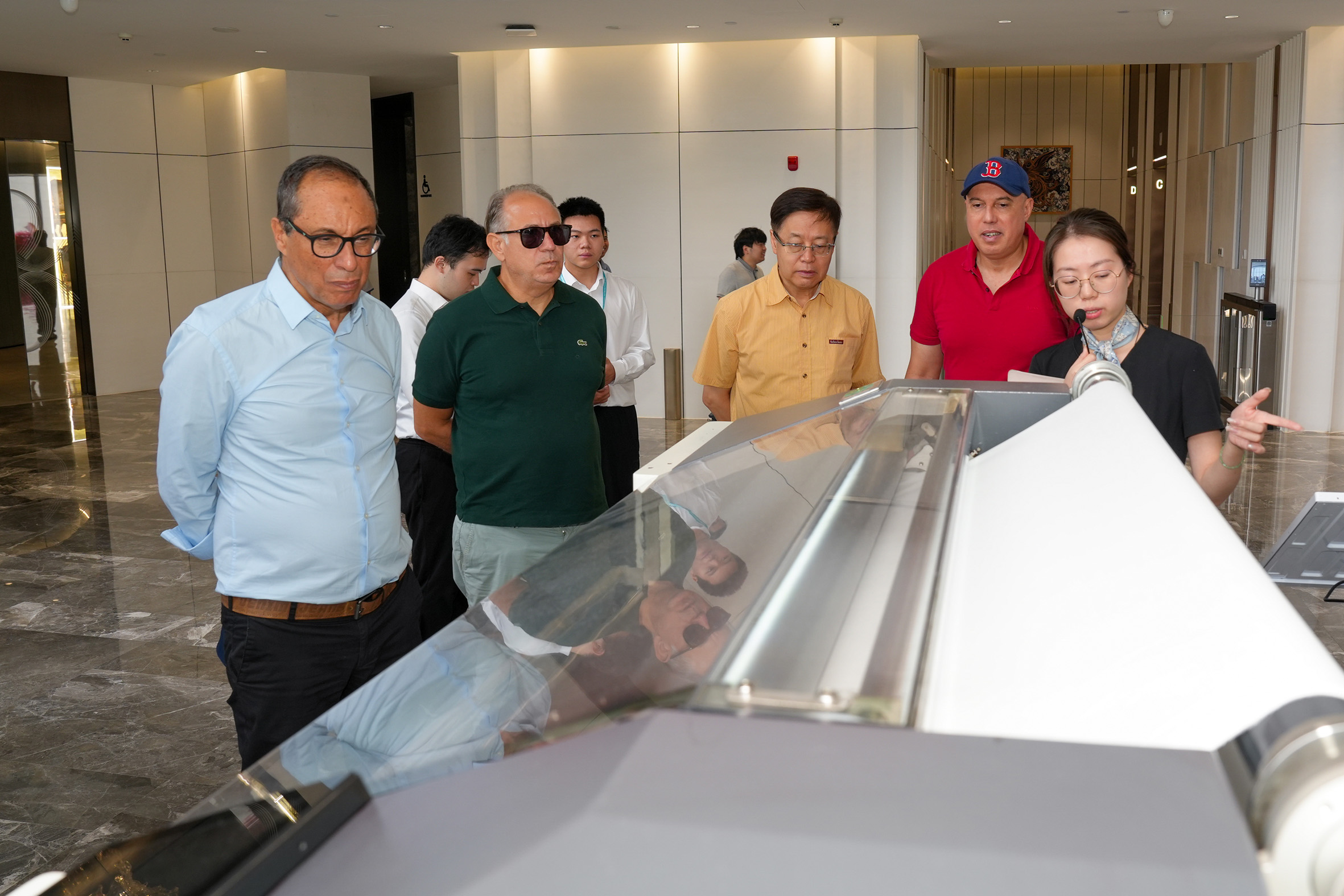 Foreign guests and international visitors experienced firsthand Wensli's AI-empowered personalized customization on site.
A silk scarf is no longer just about "choosing one you like" — it can become "I'll design one that belongs to me."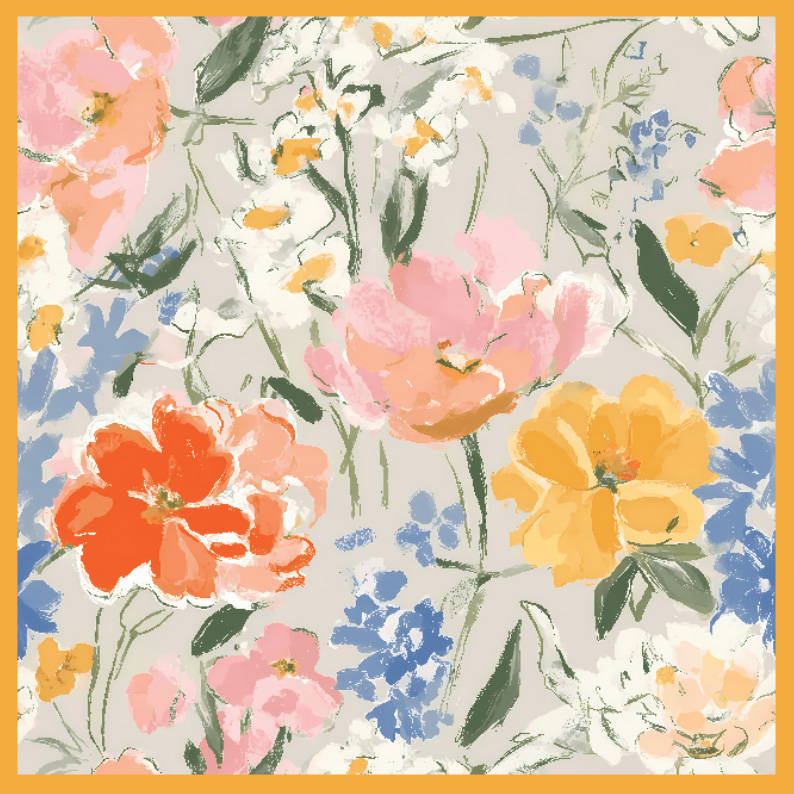
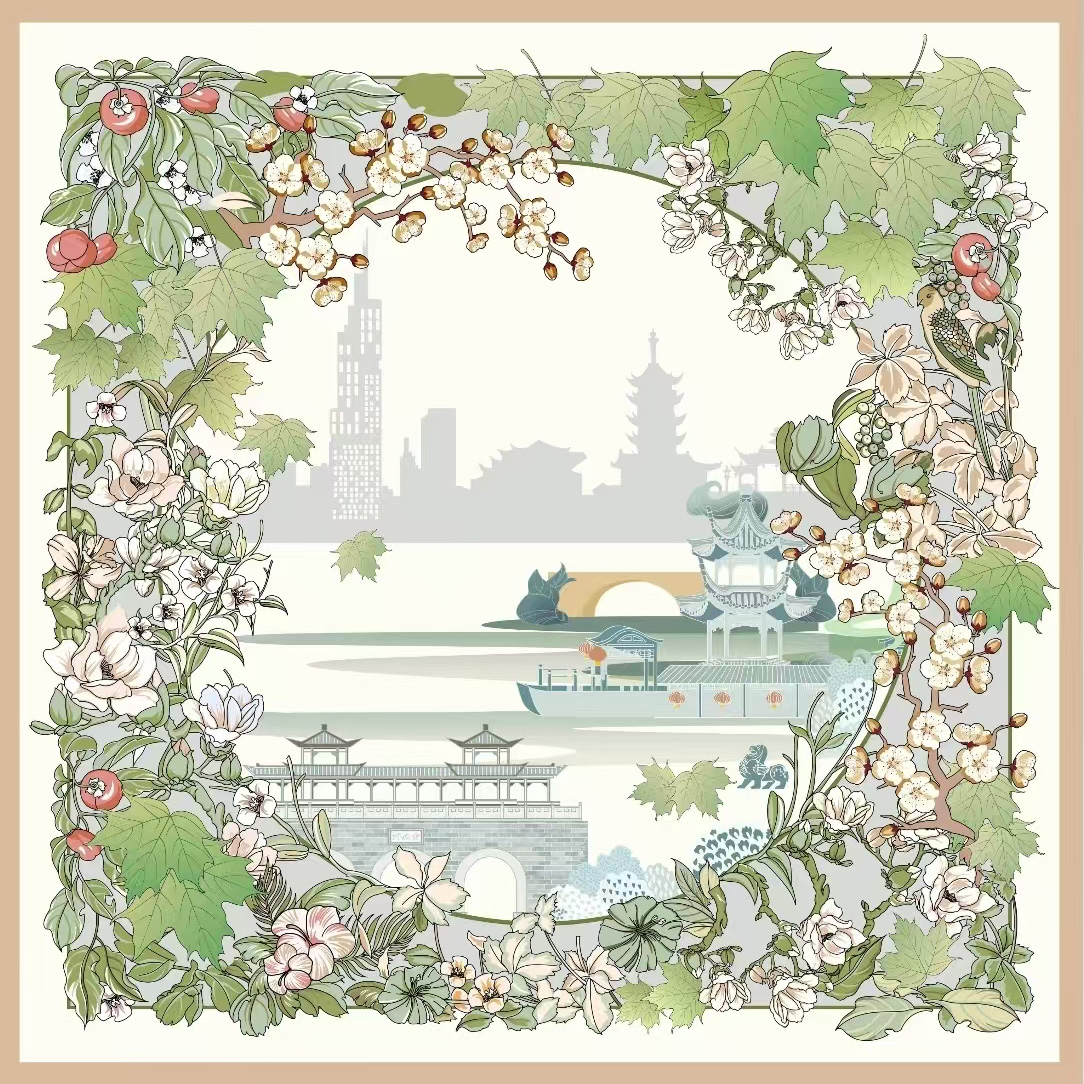
Letting culture, data, models, intelligent manufacturing, and consumer scenarios truly connect — this is precisely the new consumption scenario that Wensli has been continuously exploring.
Historical classics are now entering a national strategic window.
Recently, the Ministry of Industry and Information Technology, together with six other ministries and commissions, issued the "Opinions on Promoting the High-Quality Development of Historical Classic Industries." This is the first industrial policy document formulated at the national level specifically for historical classic industries.

The "Opinions" make clear that historical classic industries such as silk, tea, porcelain, and traditional Chinese medicine are important carriers of Chinese civilization, an effective way to expand domestic demand and boost consumption, and an important part of inheriting Chinese civilization and enhancing cultural confidence. It also proposes the development goal of cultivating a number of world-class enterprises and well-known brands by 2030, and promoting historical classic industries toward the mid-to-high end of the global value chain.
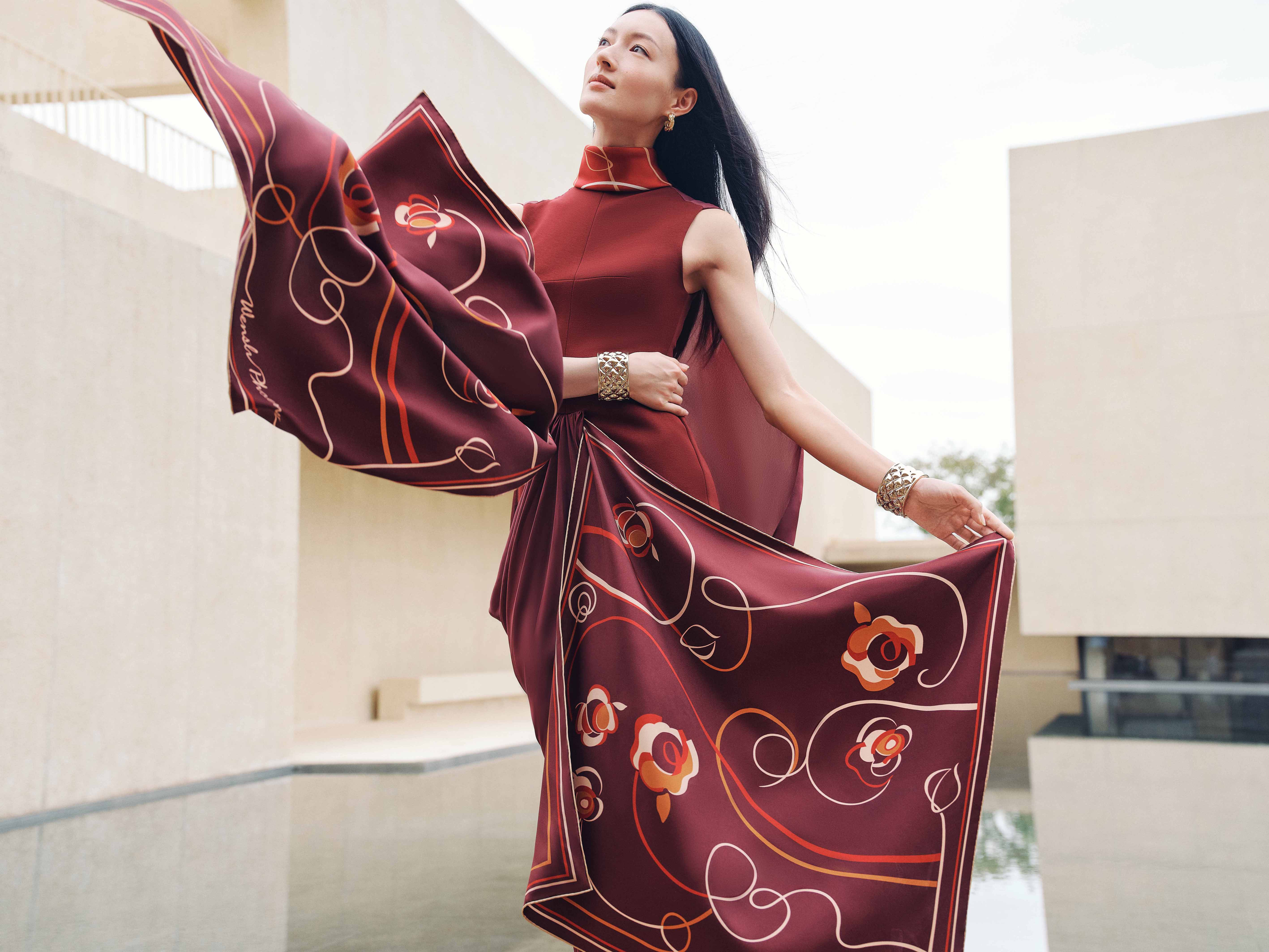
The "internationalization" of historical classic industries is gradually becoming an important direction for industrial development, moving beyond enterprises' own explorations.
And this also gives deeper meaning to every international exchange taking place today at the Wensli Innovation Center.
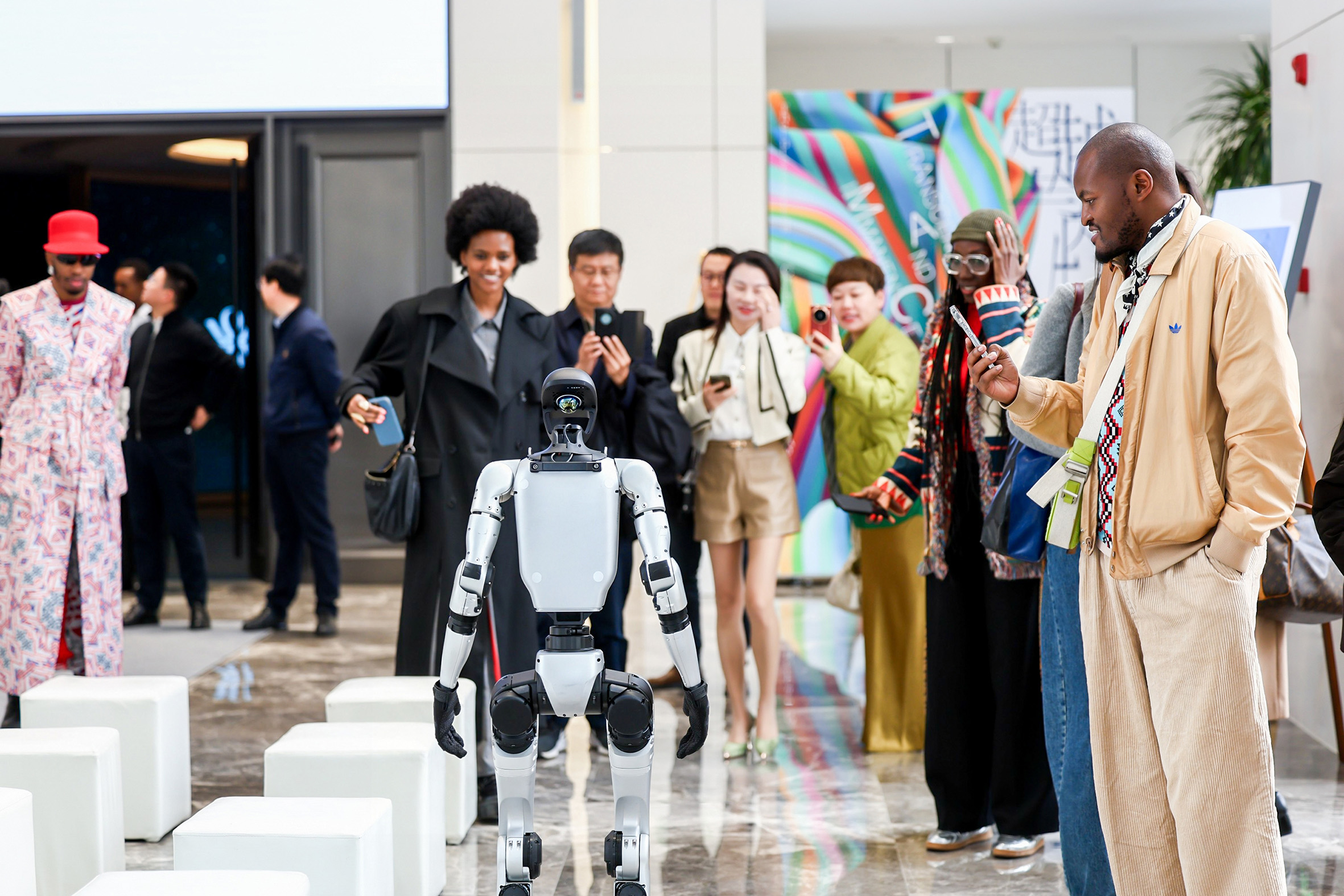
Here they see the history of silk, and also the future of silk; they see traditional Chinese culture, and also the changes taking place in Chinese manufacturing, Chinese design, and Chinese brands.