

2026/11/20 Back
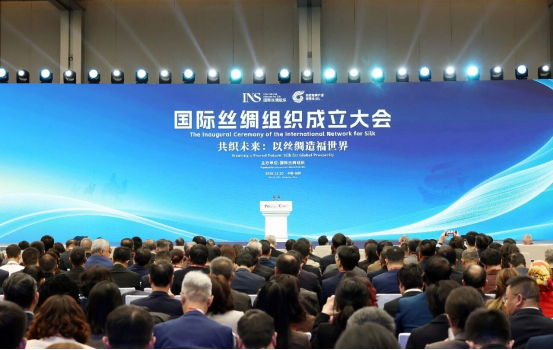
According to Xinhua News Agency, the International Silk Organization was officially established on November 20. Initiated and founded by China, the International Silk Organization is the first international scientific and technological organization in the textile field headquartered in China. It currently has more than 100 member units from over 20 countries and regions, covering the world's major silk-producing and silk-consuming countries.
This newly established international organization has its headquarters in Hangzhou.
The placement of a single plaque in a city reflects a comprehensive assessment of that city: Hangzhou is transforming from a silk-producing area into a source of the international silk industry.
Why was Hangzhou chosen? What role will the organization play after its establishment? After the organization is based there, what can Zhejiang's silk industry take on?
Why Hangzhou?
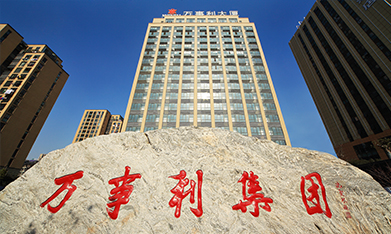
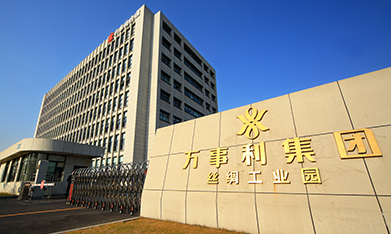
To answer this question, we need to go back further in time. "As early as 2015, we initiated and established the International Silk Alliance, a voluntary, self-governing non-governmental organization," said Huang Ran, Assistant to the President of Cathaya Group. Starting today, Cathaya has gained another identity: a Vice Chair unit of the International Silk Organization.
He told Yongjin Jun that the earlier non-governmental organization was registered in Hong Kong, with its secretariat in Hangzhou. Today, it has more than 140 member units from over 40 countries, more than half of which are foreign members. "Exchanges between members are very active." The implication is that this is an international network that has been operating for many years.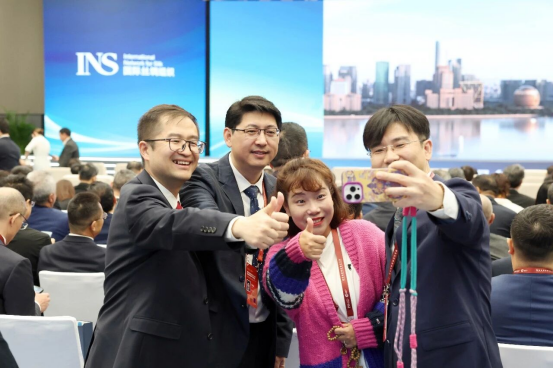
The network was active, but its influence was limited. "Most of the members are heads of mainstream silk enterprises in the international market and frontline business executives, and what they discuss is specific business along the upstream and downstream of the industrial chain. Their strength in areas such as international industry standard-setting, trading rules and industry influence is insufficient," Huang Ran admitted.
With both the operational foundation of a regular exchange platform and a more far-reaching common vision for the industry, the idea of establishing an International Silk Organization gradually took shape.
The real turning point came in 2020. That year, Cathaya Group, together with relevant institutions under the Ministry of Industry and Information Technology and overseas industry centers, jointly initiated the proposal to prepare for the establishment of the "International Silk Organization," which received instructions at the national level to advance it, with the Ministry of Industry and Information Technology becoming its business guidance department.
Over the following five years, the preparatory team, working with the Ministry of Industry and Information Technology, visited industry authorities and enterprises in many countries around the world, expanding its counterparts from "enterprise-to-enterprise" to "government-to-government," as well as industry organizations and scientific and technological institutions in various countries.
In recent years, Huang Ran's footprints have covered countries such as Vietnam, Thailand, India and Uzbekistan. In each country, he held in-depth exchanges with local government departments, industry associations and silk enterprises, saying, "We sincerely welcome them to join." As he spoke, he opened old photos on his phone and introduced to Yongjin Jun, one by one, the new friends he had made during his visits over the years.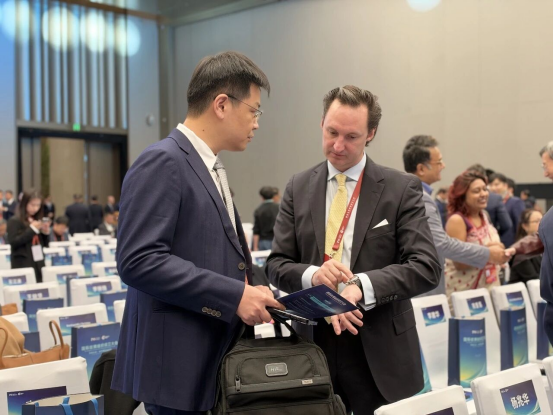
After years of arduous preparation, the organization finally celebrated its establishment today. Yongjin Jun observed that at the founding conference that day, representatives from countries such as Bangladesh and Austria attended and delivered speeches.
In his speech, Austrian Ambassador to China Wolf-Dieter Heimu recalled that during his visit to Zhejiang with an Austrian delegation in May this year, he was deeply impressed by the digital transformation practices of Dali Silk. He believes that China and Austria have much room for cooperation in silk sustainable development standards. As the European market's requirements for traceability and circular design are changing, the two sides can work together to advance work in this area.、
So, returning to the question at the beginning, it can be said that Zhejiang's strength in deeply connecting with the global silk industry is one of the key factors behind its establishment in Hangzhou.
If Zhejiang's strength represents "harmony among people," then Hangzhou's "geographical advantage" comes with an inherent edge.
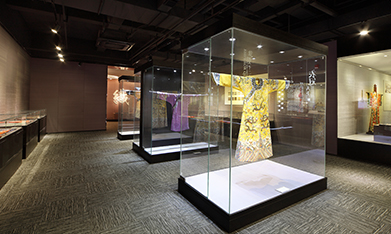
Not to mention China's thousands of years of silk heritage—Hangzhou, the "Home of Silk," is a well-deserved protagonist, and the grand spectacle of "ten thousand bolts of silk produced at sunrise, clothing and covering the world" is still vivid before our eyes. More importantly, this thousand-year-old silk cultural lineage is not merely displayed in museums.
Today's Hangzhou still has an active silk industry. In 2025, there were more than 2,000 silk-related enterprises registered with industry and commerce authorities in Hangzhou, forming a complete industrial ecosystem ranging from manufacturing to design and creativity, scientific and technological research and development, and brand operations, as well as leading enterprises with national influence.
Huang Ran revealed that during the preparatory stage, several Chinese cities with considerable competitive strength also took part in the competition, and in the end, Hangzhou came out on top thanks to its solid industrial strength.
There is also the "favorable timing." Among the four major natural raw materials—cotton, wool, silk and linen—silk is the only one that originates in China. Having developed to this day, China's silk industry remains the world's largest silk producer—industry estimates suggest that more than 70 percent of the world's silk is produced in China, and China's silk industry is mainly concentrated in Jiangsu and Zhejiang, particularly in Suzhou and Hangzhou.
At present, China's silk industry is in a critical transition period from large to strong and from extensive to refined, and it needs cooperation and joint consultation more than ever before to jointly promote industrial transformation.
At the founding conference, Chen Wenxing, newly elected Chairman of the organization, an academician of the Chinese Academy of Engineering and President of Zhejiang Sci-Tech University, released the *Global Silk Industry Development Initiative* on behalf of the organization: jointly advancing scientific and technological innovation, jointly governing standards and norms, jointly promoting industrial cooperation, jointly cultivating young talent, jointly promoting silk culture, and jointly building a green future.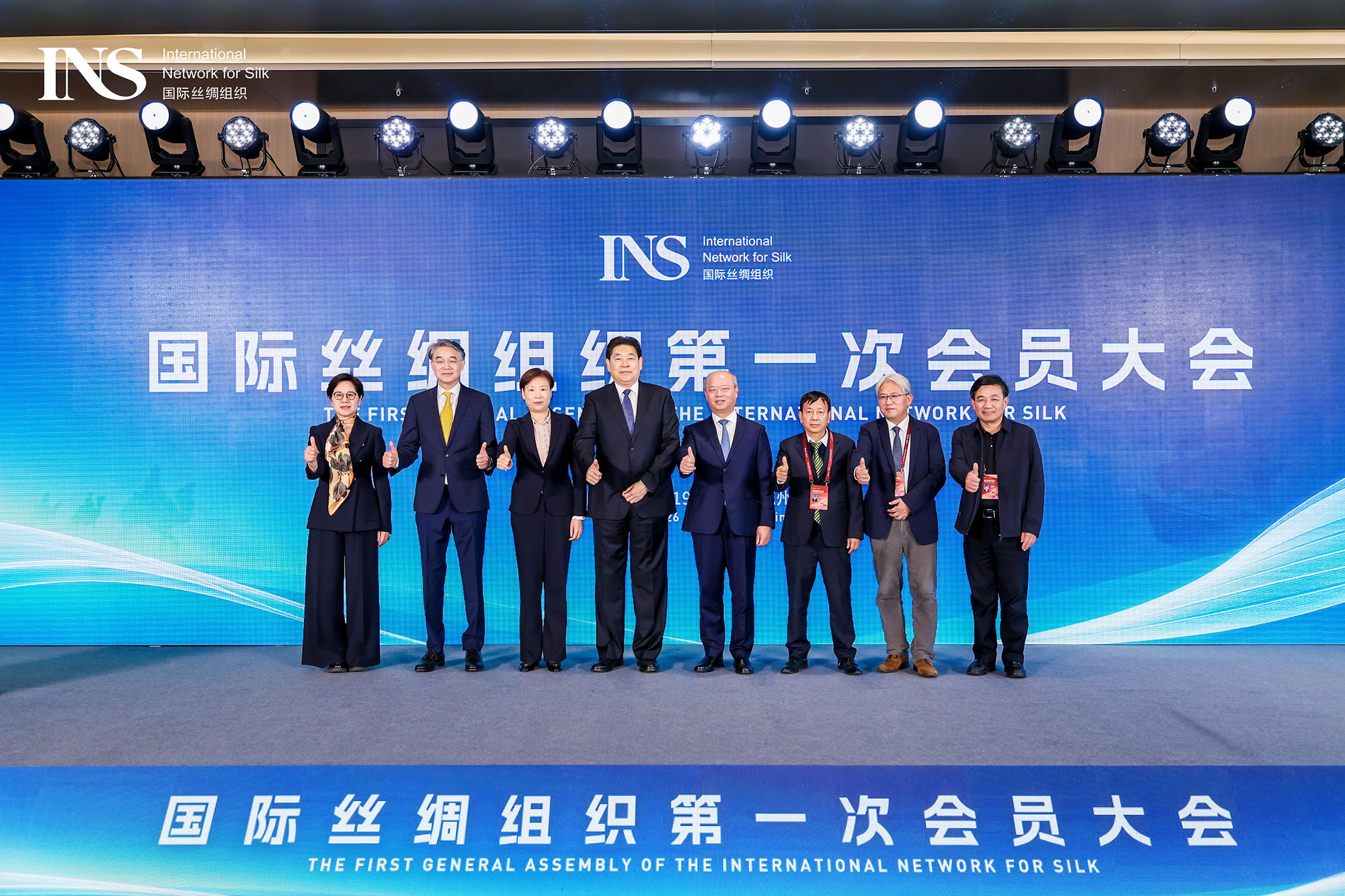
On that day, the newly established International Silk Organization signed a memorandum of cooperation with the International Silk Alliance.
A clear thread thus emerges: from "alliance" to "organization" is not a simple upgrade in name, but a leap from spontaneous civil-society initiative to nationally driven efforts, and from commercial matchmaking to global governance.
It is not just "a plaque."
"Over the past few years, every time I visited a country's competent authorities, industry enterprises or leading enterprises, the question they asked most was invariably, 'What can this organization bring us?'" Huang Ran said. In other words, everyone's common concern is: what can an international organization do?
In fact, if we break down the functions of an international organization, there are at least three levels.
The first level is the interface for rules and discourse.
An easily overlooked fact is that to this day, the international silk industry has still not formed unified international standards. Among comparable natural fibers, cotton and wool textiles each already have their own international industry mechanisms, while silk has long lacked a set of rules recognized by all parties.
The result is that when a domestic silk product is exported, it is inspected once at home according to domestic standards, and then, upon reaching an overseas market, it has to be inspected again according to the other side's standards.
"Common problems like this that hinder the industry's progress all need the International Silk Organization to push forward and resolve one by one," Huang Ran said.
At the conference that day, a number of international cooperation agreements were signed, including the China-Uzbekistan Joint Laboratory for Sericulture Technology, the China-Kazakhstan Joint Innovation Center for Digital and Intelligent Apparel, and the China-Bangladesh Joint Laboratory for Silk Apparel and Digital Technology.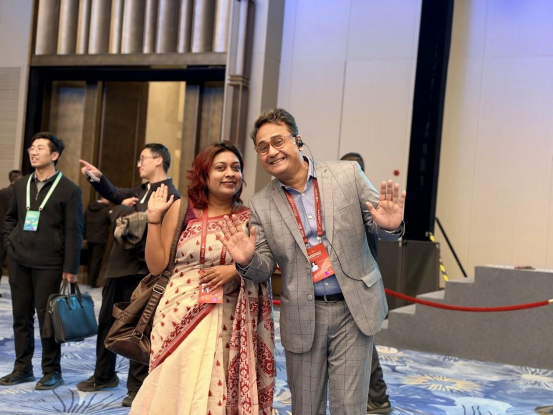
The second level is the channel for industrial cooperation.
The members of an international organization span the competent authorities and leading enterprises of multiple countries, naturally forming a network that combines a "network of commercial mutual trust" with a "global industrial network."
The most intuitive example is price. Silk raw material prices fluctuate considerably. An enterprise executive with more than a decade of industry experience described it this way: when the market is tight, raw silk quotes can jump from 400,000 yuan per ton to 500,000 yuan per ton. "European buyers often complain that our silk raw material prices fluctuate too much." Fluctuation matters because what high-end brands fear most is not high prices, but instability.
Huang Ran believes that within the framework of the International Silk Organization, Chinese raw material suppliers and European brand buyers are more likely to establish long-term and stable supply relationships: European brands gain stable, high-quality silk raw materials, while Chinese silk has the opportunity to enter the supply chain systems of high-end brands and open up broader market space.
The third level is a window through which brands and cities are brought into concentrated view.
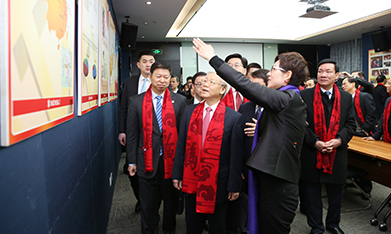
During the founding conference, Zhejiang hosted a series of supporting activities, including visits to silk museums, cultural exhibitions and banquets—for example, Cathaya's silk fashion show.
Essentially, this was a concentrated showcase aimed at global industry decision-makers—Hangzhou's city image, Zhejiang's manufacturing strength and the aesthetic expression of Chinese silk were all brought into view within the same time and space.
Of course, establishment is only the starting point. How far an international organization can go depends on whether it can truly drive industrial development and secure win-win opportunities for all parties within the organization.
Three Opportunities for Zhejiang
With an international organization right on their doorstep, what impact will this proximity advantage have on Zhejiang's silk industry? The interviewees Yongjin Jun spoke with all first thought of the initiative in participating in standard-setting.
The first opportunity is the degree of participation in rule-making.
When "standards" and "technology" are brought to the same table, and issues such as industry standard-setting, mutual recognition of testing and technical exchange are concentrated in Hangzhou, Zhejiang enterprises are closer to the frontier issues, have more opportunities to participate in the formation of rules, and have a clearer direction for technological breakthroughs.
"With the organization based in Hangzhou, we are one step closer to the table where rules are made, and we have the opportunity to move from passively accepting standards to actively participating in setting rules and jointly formulating international standards." Speaking of this, Tu Hongyan, Chairwoman of Wensli Group, was quite excited. Newly elected Vice Chair of the organization, she said that a new responsibility would rest on her shoulders.
The second opportunity is brand premium.
For a long time, the international image of Zhejiang silk has been told separately by individual enterprises. With an international organization, "Hangzhou—Zhejiang—Chinese silk" can be narrated and seen as a whole, and is expected to generate a premium effect for the regional public brand.
"Zhejiang silk cannot always rely on products going global; it must rely on brands, even regional brands, going global." As Tu Hongyan said, as more and more international design resources and fashion brand resources gather on their doorstep, Zhejiang silk enterprises will have greater opportunities to transform their manufacturing advantages into brand premium advantages.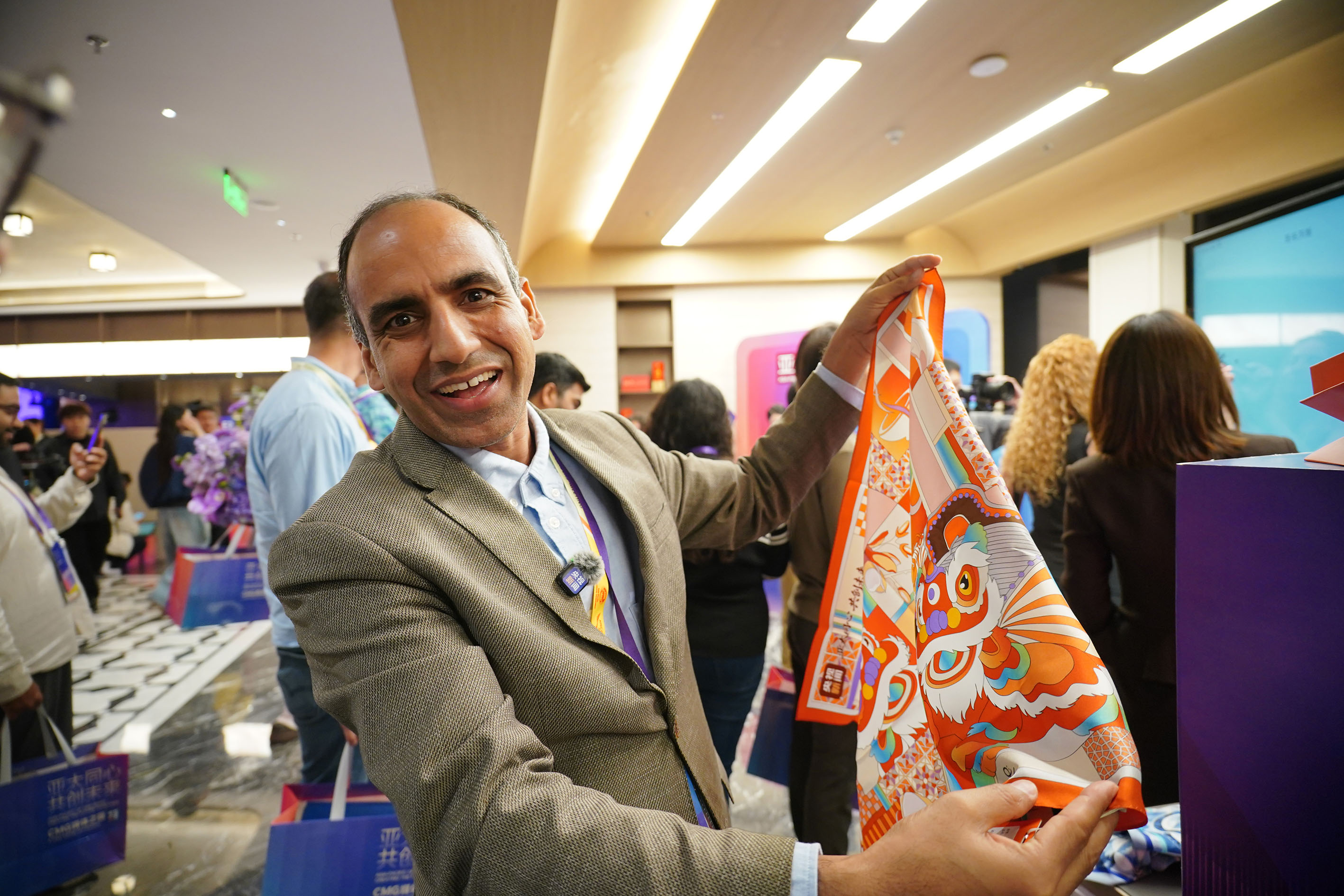
The gap is also real: on the market, a top international brand silk scarf sells for 3,000 to 5,000 yuan, while a high-end silk scarf from a Zhejiang brand sells for 700 to 800 yuan apiece. "In terms of body and drape, color and luster, and craftsmanship precision, there is indeed still a gap." Yet the gap is also a driving force for catching up.
As one interviewee frankly admitted, the company has maintained communication with a certain international fashion brand for more than a decade, and going forward there will be more opportunities to sit down together and a greater probability of cooperation. "We will never give up."
The third opportunity is the channel for going global.
As mentioned earlier, behind an international organization is in fact a global silk network. Once Zhejiang silk is embedded in this network, the supporting benefits will gradually become apparent—including the repeated testing saved by mutual recognition of standards, the stable orders brought by long-term agreements, and the customer resources brought by platform connections.
In Huang Ran's view, silk is both soft and elegant, a soft bond in major-country diplomacy, and very suitable for presenting to the world "a respectable, trustworthy and lovable image of China." Through silk as a bond and the International Silk Organization as a dialogue platform, Zhejiang has gained another new channel for exchange with the world.
The International Silk Organization's establishment in Zhejiang relies on the favorable timing, geographical advantages and harmony among people. Whether Zhejiang can seize the opportunity and develop the time-honored classic industry of silk well is another, even more important undertaking.
- 上一篇: The International Silk Organization has established its presence in Hangzhou, and Tu Hongyan, Chairwoman of Wensli Group, was elected Vice Chair.
- 下一篇:The inaugural Historical and Classic Industries Expo has opened, with WENSLI Silk showcasing in an all-round way the brand strength, innovation capacity and competitiveness of a leading enterprise.